Professional development is an important part of improving education. Teachers, school administrators, counselors, and education specialists benefit from opportunities to exchange ideas, explore new teaching methods, and learn about developments in their fields. Conferences, workshops, campus programs, and educational exhibitions provide a setting for that professional growth.

When a school or education organization sends a group to an event in New York City, the planning process involves more than registration and accommodation. Organizers must coordinate arrival times, manage a shared itinerary, and make sure participants can travel between hotels, conference venues, and other scheduled activities.
A well-organized transportation plan can make the experience easier for attendees and help the event schedule run smoothly.
Identify the Purpose of the Professional Development Trip
Begin by defining what the group hopes to achieve. A teacher-development visit may focus on classroom technology, curriculum planning, student support, educational leadership, or a particular academic subject. An administrator’s conference may involve policy discussions, networking, and sessions with education professionals.
The purpose should guide the choice of event and the schedule. If the group is attending a conference, identify the sessions that are most relevant to participants. If the trip includes visits to educational institutions, contact those organizations to confirm available programs and meeting arrangements.
Create a list of the activities the group must attend and distinguish them from optional events. This makes it easier to prioritize travel time and avoid a schedule that is too crowded.
Confirm Conference and Workshop Details
Before arranging transportation, confirm the event’s official venue, registration times, session schedule, and attendee requirements. Some conferences have several entrances or use different buildings for separate sessions. Others may require participants to collect badges before entering.
If the group plans to attend a workshop or meet with an education organization, confirm the appointment directly. Ask about arrival instructions, room locations, visitor registration, and any materials participants should bring.
For events at large conference venues, identify the correct drop-off point and whether group vehicles have designated access. The main visitor entrance may not be the most suitable location for a coach to unload passengers.
Collect the full addresses of every destination. A complete itinerary helps the transportation provider understand the route and identify possible access issues before the trip.
Coordinate Hotel and Venue Transfers
Professional events often involve participants staying at different hotels. If attendees are spread across several properties, the organizer must decide whether to arrange multiple pickups or establish a central meeting point.
A central pickup can simplify the route when most participants can reach it conveniently. However, a shuttle that collects guests from several hotels may be more practical when the group includes visitors unfamiliar with the city or people with limited mobility.
Ask hotels where larger vehicles are permitted to stop and whether a designated loading area is available. Confirm the expected boarding time and allow participants enough time to reach the pickup point.
If the conference takes place over multiple days, decide whether transportation will be arranged for every morning and evening or only for selected activities. A recurring schedule should be shared with all attendees in advance.
Select a Suitable Vehicle for the Group
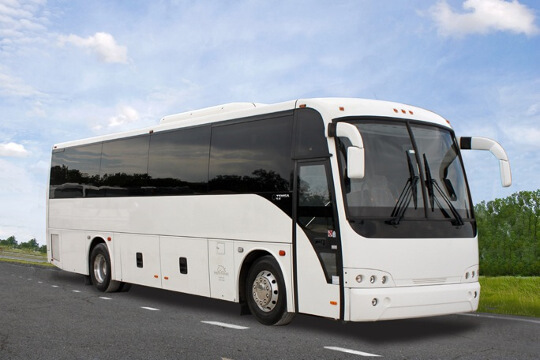
Vehicle selection should reflect the passenger count, luggage requirements, journey length, and type of service needed. A small team may be comfortable in a sprinter van, while a medium-sized group may require a minibus. A larger delegation may benefit from a full-size motorcoach.
Consider whether participants will carry suitcases, laptops, presentation equipment, or conference materials. Storage space can be just as important as seating capacity, particularly when the group is traveling directly from an airport or hotel.
Ask about climate control, seating arrangements, accessibility, and available amenities. If attendees expect to travel for an extended period, comfort becomes an important consideration.
Education organizations researching motorcoach rental in New York City can review RoadNation’s local vehicle categories and discuss the group’s itinerary. Its listed New York City options include motorcoaches for 47–56 passengers, minibuses for 24–35, and sprinter vans for 12–15. Confirm the specific vehicle, availability, and service details before booking.
Create a Schedule That Protects Conference Time
Conference sessions often begin at fixed times, so transportation should be planned around registration and arrival requirements. Work backward from the first scheduled activity to determine when participants need to leave the hotel.
Include time for boarding, road travel, unloading, and walking to the venue. If attendees need to collect badges or pass through security, allow additional time. A schedule that assumes the vehicle will arrive at the exact session start time leaves little room for unexpected delays.
For multi-day events, prepare a separate daily schedule if the locations or session times change. Include the morning pickup, return arrangements, and any optional evening activities.
Build flexibility into the plan. Conference sessions may finish late, networking events may run longer than expected, and traffic conditions can affect travel time. Decide who is authorized to communicate schedule changes to the transportation provider.
Make Group Travel Useful for Networking
Traveling together can create opportunities for colleagues to exchange ideas before and after the event. Teachers from different schools may discuss classroom challenges, compare professional experiences, or prepare questions for conference speakers.
The organizer can support this by sharing the schedule and identifying common interests among attendees. A group traveling to a workshop about digital learning, for example, might agree on a few topics to discuss during the trip.
However, do not treat travel time as a substitute for formal sessions. Participants may need quiet time, especially after a full day of presentations. Keep the arrangement comfortable and allow individuals to use the journey in the way that suits them.
Account for Accessibility and Individual Needs
Professional development groups may include participants with different mobility requirements, medical considerations, or other accessibility needs. Ask attendees about necessary accommodations early enough to make arrangements.
Confirm accessible routes at conference venues and hotels. Ask whether the transportation provider can supply a suitable vehicle and whether additional boarding time is required.
If participants are traveling with equipment or luggage, explain the storage requirements before confirming the booking. A vehicle should accommodate the group and its belongings without compromising passenger comfort.
Share personal information only with staff who need it to coordinate the required support, and follow the organization’s privacy procedures.
Prepare a Complete Transportation Budget
Transportation costs may depend on vehicle type, distance, duration, passenger numbers, and the number of stops. A transfer between a hotel and conference venue will have different requirements from a vehicle that remains available for a full day.
Request quotes using the complete itinerary. Include the event dates, passenger count, pickup and drop-off addresses, expected operating hours, and any special requirements.
Ask whether the quote includes driver time, fuel, mileage, tolls, parking, and waiting time. Clarify additional-hour charges and how itinerary changes are priced. Review the deposit, cancellation policy, and payment deadlines before confirming the booking.
The organization should also consider the administrative effort involved in coordinating individual rides. When many attendees share the same schedule, group transportation may simplify arrival planning and expense administration.
Evaluate the Transportation Provider
Before booking, ask about insurance, relevant operating credentials, driver qualifications, and the vehicle assigned to the trip. Request written confirmation of the agreed schedule and service details.
Communication is particularly important for conferences because changes can occur at short notice. Identify the provider’s point of contact and establish how the organizer should communicate updates. For multi-day programs, clarify whether the same vehicle will be available throughout the event.
Check the venue’s loading and parking instructions and share them with the provider. A coach may need to use a designated access point or wait at a separate location rather than remain outside the main entrance.
Keep Attendees Informed
Send participants a travel brief before departure. Include pickup addresses, boarding times, conference details, return arrangements, and the coordinator’s contact information.
Explain what participants should bring, such as identification, registration confirmation, laptops, or presentation materials. If meals and accommodation are arranged separately, make those details clear.
A final reminder shortly before the event can help everyone arrive prepared. If the itinerary changes, distribute updates through one agreed communication channel so attendees do not receive conflicting instructions.
Make Professional Development Travel More Effective
A conference or teacher-development trip should give participants time to learn, collaborate, and bring useful ideas back to their organizations. Careful transportation planning supports those goals by reducing uncertainty around daily travel.
Confirm the event details, choose an appropriate vehicle, allow realistic travel time, and communicate the schedule clearly. With these arrangements in place, education professionals can focus on the sessions, discussions, and connections that make the trip worthwhile.
The best transportation plan is one that fits the professional program without making the journey more complicated than it needs to be. When logistics are handled in advance, the group can devote more attention to learning and less to coordinating separate journeys.
Leave a Reply