A school field trip can turn classroom learning into a memorable experience. Students may explore a museum, visit a historic landmark, attend a science program, or take part in an educational event that brings lessons to life. New York City offers a wide range of opportunities for these activities, but organizing a successful trip requires more than choosing an attraction and collecting permission forms. Transportation, supervision, scheduling, and communication all need careful attention.

For teachers and school administrators, the goal is to create an educational experience that is engaging while keeping students organized throughout the day. A clear transportation plan is an important part of reaching that goal.
Begin With Learning Objectives
Before selecting a destination, identify what students should learn or experience. A trip connected to a current classroom topic is easier to prepare for and can provide a stronger educational outcome.
For example, a history class might visit a landmark or museum, while science students could attend an interactive exhibition. Art students may benefit from a guided gallery visit, and younger pupils may enjoy a nature-focused activity. The destination should match the students’ age group, curriculum, and ability to participate.
Write down two or three learning objectives and share them with the teachers or staff accompanying the group. These objectives can guide the itinerary, student activities, and post-trip assignments. They also help explain the educational value of the outing to parents and school administrators.
Choose a Destination and Confirm Its Requirements
New York City has many educational destinations, but each attraction may have different group policies. Before confirming a date, check opening hours, admission arrangements, group-size limits, guided-tour availability, accessibility, and rules for student groups.
Some institutions require advance reservations or divide large groups into smaller sessions. Others may have designated entrances or specific arrival windows. Ask whether the venue provides a place for buses to unload and whether the vehicle can wait nearby.
The school should also consider how much time students will need at the destination. A short visit may not justify a full-day itinerary, while a museum with several exhibitions may require more time than expected. Include time for lunch, restroom breaks, attendance checks, and movement between activities.
Organize Transportation Around the Student Group
Transportation planning begins with an accurate passenger count. Include students, teachers, support staff, chaperones, and any additional adults who will travel. Do not estimate vehicle size using student numbers alone.
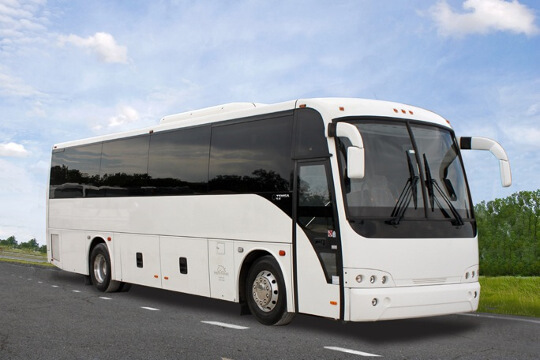
The right vehicle depends on the size of the group, the journey, luggage or equipment, and accessibility requirements. A small group may need a sprinter van, a medium-sized class may fit a minibus, and a larger school group may require a full-size motorcoach. RoadNation lists New York City motorcoaches with capacity for 47–56 passengers, minibuses for 24–35, and sprinter vans for 12–15. Confirm the actual vehicle and passenger arrangements before booking.
Schools researching motor coach bus rental can use the local service page to review vehicle categories and prepare questions about group size and trip requirements.
When comparing options, ask about seating capacity, storage, climate control, accessibility, and the expected travel time. If students will carry backpacks, project materials, instruments, or sports equipment, explain this in advance. Passenger capacity does not automatically account for bulky belongings.
Build a Realistic Schedule
A field trip schedule should work backward from the destination’s required arrival time. If a guided tour begins at 10 a.m., the school needs to allow enough time for boarding, road travel, unloading, and walking to the entrance.
Avoid scheduling departure so tightly that a minor delay disrupts the entire visit. Traffic conditions in New York City can vary, particularly during weekday commuting periods and around major events. Ask the transportation provider about the proposed route and include a reasonable buffer.
A useful itinerary includes:
- School departure and expected arrival.
- Student check-in and attendance.
- Venue entry or guided-tour time.
- Meal and restroom breaks.
- Departure from the attraction.
- Expected return to school.
- Contact details for the trip coordinator.
Share the schedule with staff and chaperones before the trip. Everyone should understand where students need to be and when the group is expected to move.
Establish Clear Supervision Procedures
Student safety depends on preparation and consistent supervision. Schools should follow their own safeguarding policies and any applicable district or organization requirements.
Assign students to specific teachers or chaperones. Smaller groups make it easier to conduct headcounts and ensure that every student has an adult responsible for them. Establish a buddy system where appropriate, and explain what students should do if they become separated from the group.
Take attendance before departure, after arrival, before leaving the venue, and at other important transition points. Keep emergency contact information and relevant student details accessible to authorized staff.
Students should know the basic rules before boarding. Explain where to sit, how to behave while the vehicle is moving, and what to do when the vehicle reaches the destination. Clear expectations help the group travel in an orderly way.
Consider Accessibility and Individual Needs
A successful field trip should account for the needs of all participating students. Some may require mobility assistance, additional boarding time, medical support, or other accommodations.
Ask families and relevant school staff about requirements early enough to make arrangements. Confirm whether the destination is accessible and whether the transportation provider can supply an appropriate vehicle or equipment. Also consider the distance between the unloading area and the attraction entrance.
If students have dietary needs, medication schedules, or other considerations, include those in the school’s planning process. Only share personal information with staff who need it to support the student.
Prepare Students Before Departure
Students benefit from knowing what to expect. Teachers can introduce the destination in class, discuss the learning objectives, and explain the schedule. A short activity sheet or list of questions can help students stay engaged during the visit.
Send families the essential information in advance, including the destination, departure and return times, required clothing, lunch arrangements, and school contact details. Make permission and emergency-contact procedures clear.
On the day, ask students to arrive at the designated meeting point early. Keep the boarding process organized and avoid last-minute changes unless they are necessary.
Compare Transportation Quotes Carefully
When requesting a quote, provide the travel date, passenger count, pickup address, destination, expected duration, and any additional stops. Include accessibility requirements and storage needs.
Ask what the quote includes and whether charges may apply for waiting time, tolls, parking, additional hours, or itinerary changes. Review the cancellation policy and payment deadlines. The school should also ask about insurance, relevant operating credentials, driver qualifications, and the vehicle assigned to the trip.
Compare providers using the same itinerary. A lower initial price may not cover the same vehicle size or service period as another quote.
Turn the Journey Into Part of the Learning Experience
A well-planned field trip gives students the chance to connect classroom ideas with real places and experiences. Transportation should support that purpose by helping the group arrive together, follow the schedule, and return safely.
With clear learning objectives, an appropriate vehicle, realistic timing, and consistent supervision, schools can make educational outings more manageable. Careful preparation allows teachers to focus on students and the learning experience rather than solving avoidable logistical problems throughout the day.
Leave a Reply